Cultural perceptions of gambling How different societies view chance and luck
The Historical Context of Gambling
Gambling has been a part of human civilization for thousands of years, with evidence of dice and betting games dating back to ancient civilizations such as Mesopotamia and Egypt. These early games often intertwined with religious beliefs, as chance was seen as a manifestation of divine will. In many cultures, luck was not merely a random occurrence but a force influenced by deities and spiritual practices, thus integrating gambling into the social and cultural fabric of societies. Moreover, the emergence of places like non gamstop casinos uk exemplifies how the evolution of gambling continues to adapt and thrive amidst changing perceptions.
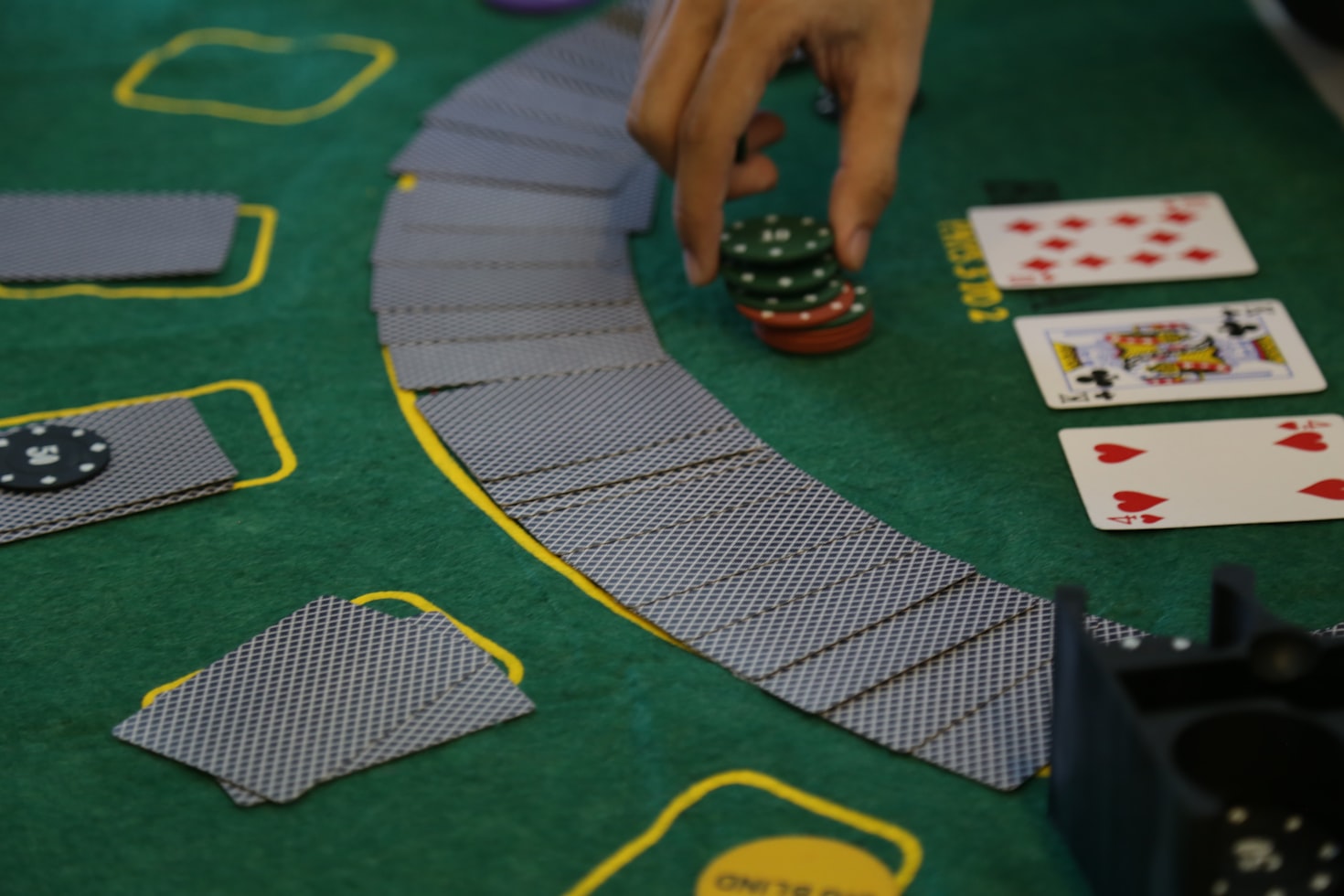
Over time, the perception of gambling evolved, reflecting broader societal values and economic conditions. For instance, during the Renaissance, gambling became more structured with the introduction of regulated games and the first gambling houses. This shift demonstrated a growing acceptance and normalization of gambling, as it began to attract not only the lower classes but also the nobility, which further cemented its role in various societies.
Regional Variations in Attitudes Towards Gambling
Different regions exhibit distinct attitudes toward gambling, often shaped by historical, religious, and cultural contexts. In Western societies, for example, gambling is frequently viewed as a form of entertainment, with casinos and lotteries being widely accepted and regulated. However, this perspective contrasts sharply with the views held in many Eastern cultures, where gambling might be associated with moral issues or negative social consequences, leading to stricter laws and prohibitions.
In countries like China, gambling has a complex cultural significance, often linked to celebrations and traditions such as the Lunar New Year. The belief in luck and fortune plays a critical role, as games like Mahjong are not just seen as betting activities but also as social bonding experiences. In contrast, some Middle Eastern cultures regard gambling as taboo, stemming from religious doctrines that prohibit games of chance, creating a societal divide in how luck and fortune are interpreted.
Psychological and Social Impacts of Gambling
The psychological implications of gambling are vast, as many individuals grapple with issues of addiction, risk perception, and the allure of luck. Societal views can either stigmatize or normalize these behaviors, influencing how individuals approach gambling in their own lives. For example, in societies where gambling is celebrated, individuals may be more inclined to view it as a harmless pastime, while in more conservative cultures, the same behaviors may be seen as irresponsible or sinful.
This dichotomy can affect not only personal experiences but also social dynamics, where friendships and familial relationships may strain under the weight of gambling-related issues. Understanding the psychological aspects helps in grasping how cultural perceptions shape individual behaviors and societal outcomes regarding gambling.
The Role of Technology and Modernization
The rise of technology has transformed gambling into a global phenomenon, with online platforms enabling individuals from diverse cultures to engage with gambling in unprecedented ways. This digital shift often blends traditional practices with modern conveniences, reshaping cultural perceptions of luck and chance. Online gambling allows people to access games and betting opportunities that were previously unavailable, changing the landscape of how gambling is viewed and practiced.
However, this technological evolution also raises concerns about regulation and the potential for addiction. As societies adapt to these changes, attitudes toward gambling are continuously evolving, highlighting the need for comprehensive discussions about responsible gambling practices that respect cultural sensitivities and promote positive outcomes.
Exploring the BN1 Community’s Take on Gambling
At BN1 Magazine, we are committed to fostering a sense of community and understanding among residents and visitors alike. By exploring diverse perspectives on topics like gambling, we aim to highlight the cultural nuances that shape our experiences. Engaging with our readers through insightful articles, we provide a platform for discussion and awareness regarding how gambling affects individuals and society as a whole.
Our mission is to connect people through knowledge and shared experiences, showcasing the vibrant BN1 community. As we delve into various subjects, we encourage open dialogue about cultural perceptions and their implications, allowing everyone to share their views and learn from one another in a supportive environment.
Leave a Reply